
Weight loss tricks for your dream figure

Many people think that losing weight simply means eating less. We reveal why losing weight is not so easy in practice and which tricks can help.
Why am I not losing weight?
There are many reasons why you don’t lose weight despite reducing calories. On the one hand, it can have to do with lifestyle: Stress, poor sleep and an unbalanced diet. But metabolic inertia or non-alcoholic fatty liver disease, which is usually only discovered by chance, can also be triggers. Other possible causes include hormonal disorders such as hypothyroidism, Cushing’s syndrome or hormonal fluctuations during the menopause, as well as the use of certain medications such as antidepressants, cortisone and beta blockers.
It is important to have medical triggers such as hypothyroidism and Cushing’s syndrome clarified by a doctor in order to avoid further damage to your health. Fatty liver and sluggish metabolism require additional measures. In general, however, these 6 simple tricks will help you to lose weight effectively:

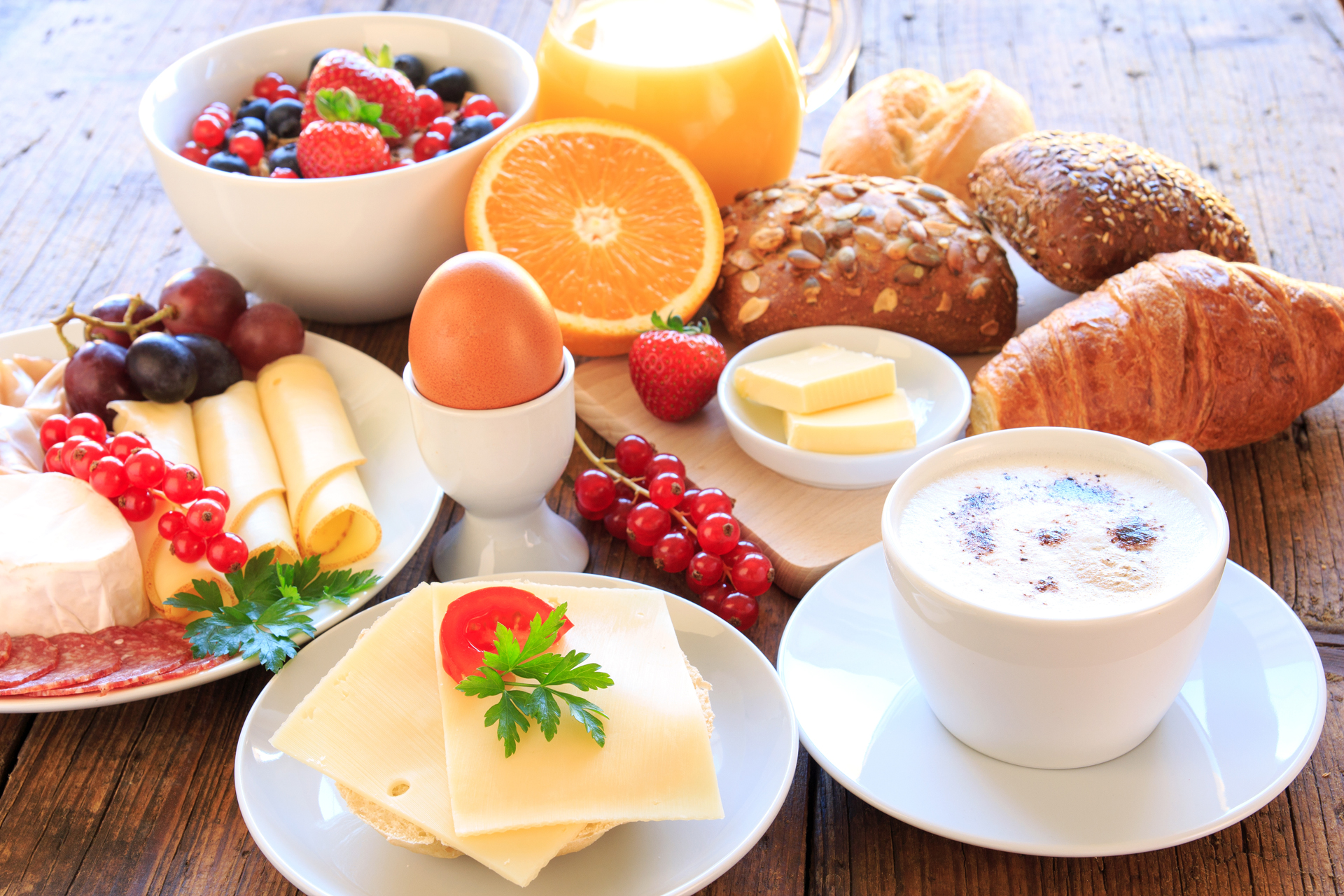
Breakfast: Break the Fast
Breakfast is not called breakfast for nothing. In the morning you should have a balanced and substantial breakfast, ideally with wholemeal bread, eggs, ham and vegetables such as cucumber, peppers and tomatoes. Why is breakfast so important? The brain, but also the rest of the body, needs energy early in the morning. This is why the cortisol level – also known as the stress hormone – rises in the early hours of the morning, which promotes glucose production in the liver and has a catabolic, i.e. degrading, effect on the muscles. This process is necessary in order to be powerful and awake in the morning. By eating breakfast, the body can produce new energy from carbohydrates and fats and the cortisol level drops. If you skip breakfast, energy production has to be provided from muscle reserves and this leads to muscle breakdown, but also to an increased cortisol level and thus to an increased stress level. In other words, not eating breakfast leads to muscle breakdown and increased stress in the body.
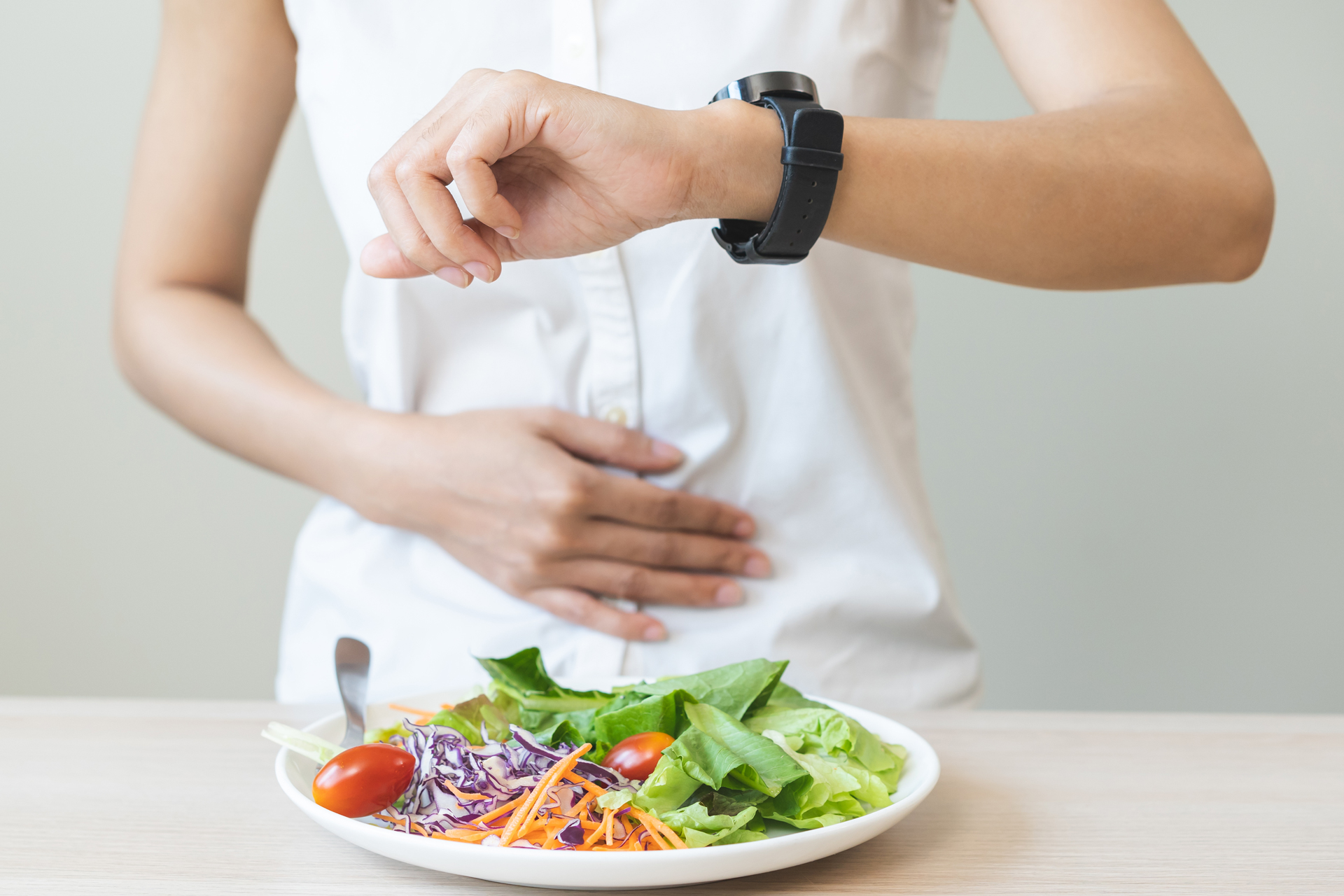
Intermittent fasting: nothing to eat for 16 hours a day
Intermittent fasting is a very popular diet trend: the sustainable way to success. What does this mean? The name already gives it away: eating is only allowed in a certain time window. Eating is allowed in an interval of 8 hours, followed by 16 hours without eating. It is important that dinner is brought forward to an earlier time and that breakfast is not skipped. Low-calorie liquids such as water or herbal teas may also be consumed during the fasting break. Regular breaks from eating allow the cells to recover and renew themselves. This process is called autophagy, because a fresh and healthy cell is more resistant than a weakened, diseased cell. The decisive difference between intermittent fasting and longer fasting cures or crash diets is that the metabolism is not throttled and muscle mass is not broken down. This is very important because it prevents the dreaded yo-yo effect.
10,000 steps a day
If muscles are not used, muscle mass decreases continuously. However, the energy consumption of the muscles is significantly higher than the rest of the body mass. This means that muscles burn fat. Not only can a good muscle/fat ratio be achieved with 10,000 steps a day, the risk of type II diabetes, high blood pressure, lipometabolic disorders and cardiovascular diseases is also reduced. Ideally, the 10,000 steps should be combined with targeted strength training twice a week.

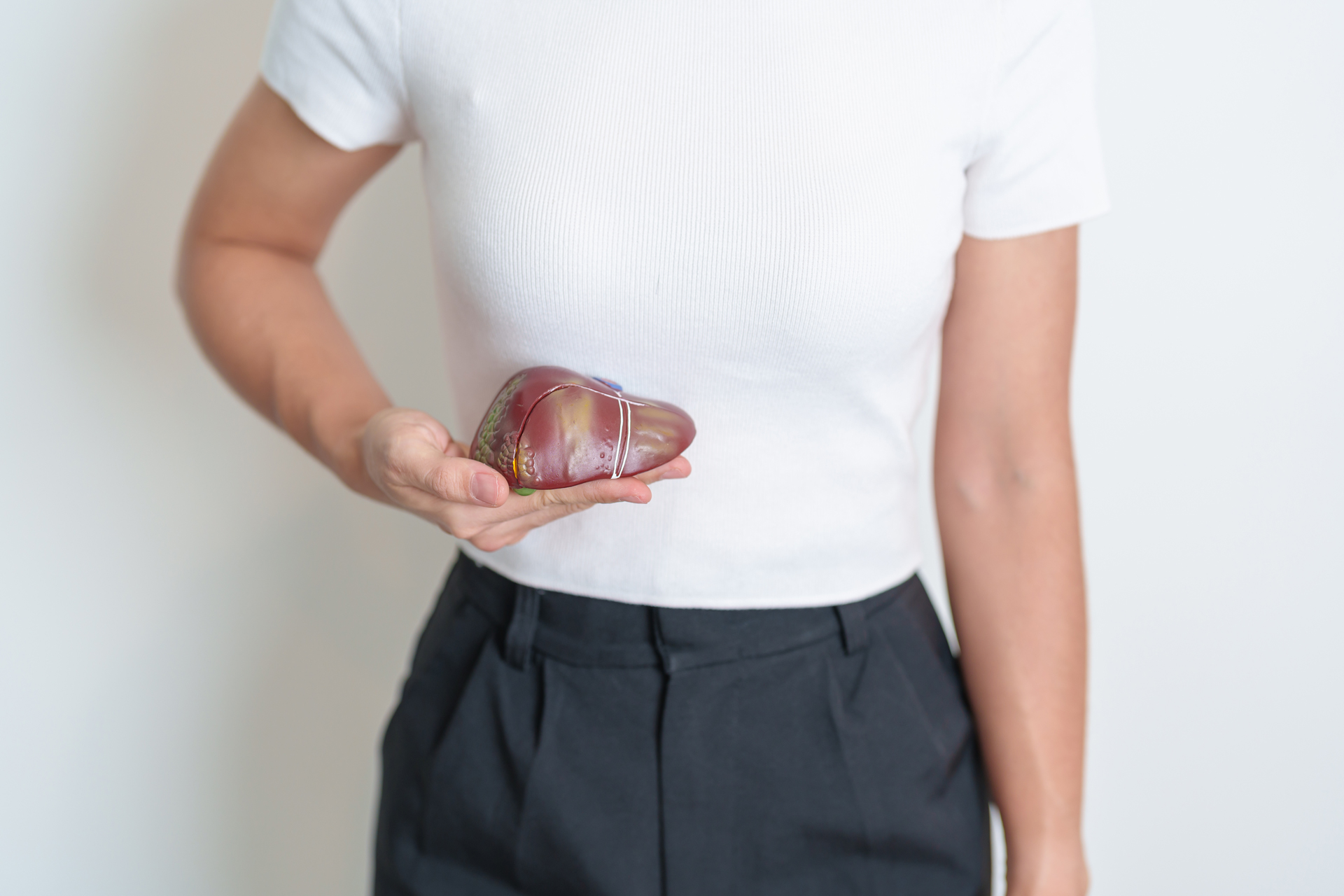
Relieve the liver
If the liver is overloaded or has a fatty liver – every third person suffers from a non-alcoholic fatty liver – it can no longer work properly and this has an impact on the metabolism. In addition to obesity and fatty liver, there is often insulin resistance. Insulin resistance leads to less sugar entering the cells and more fat being stored. This vicious circle of fatty liver, insulin resistance and fat deposition makes losing weight more difficult, as the body cannot utilise sugar effectively and fatty tissue builds up more easily.
So what is the best way to relieve the liver?
- through an alkaline diet with lots of vegetables
- through a low-fructose diet
- by avoiding high-calorie drinks (only water, black coffee and unsweetened teas)
- through additional liver protection with the help of milk thistle and artichoke
Sleeping yourself slim
Everyone knows that 7-8 hours of sleep is essential for health and well-being. But what does sleep have to do with losing weight? It’s simple: during sleep, the human body produces growth hormone, also known as HGH. This not only promotes regeneration processes and muscle growth, it also stimulates fat burning. However, HGH is produced most during the deep sleep phase. Conclusion: The better and deeper we sleep, the more fat we burn.

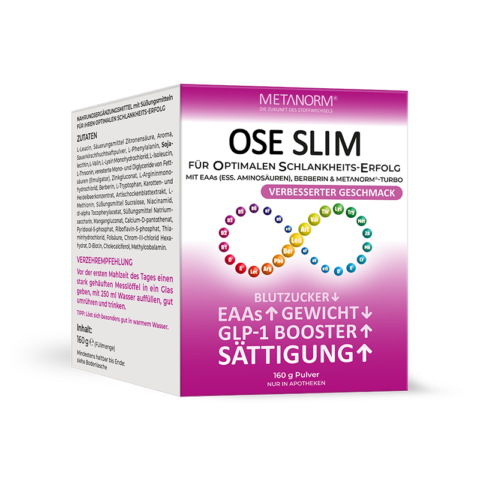
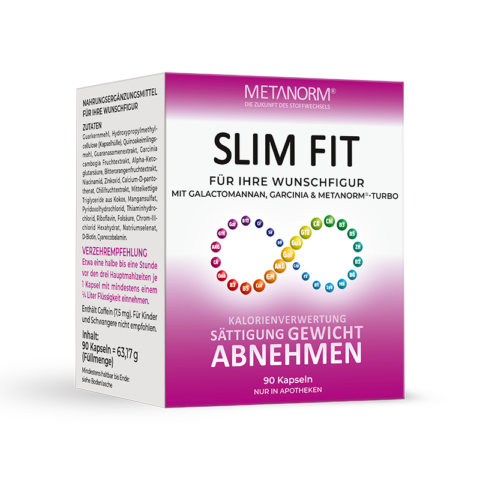
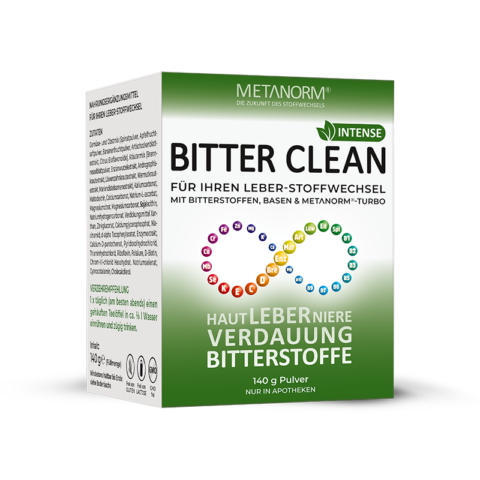

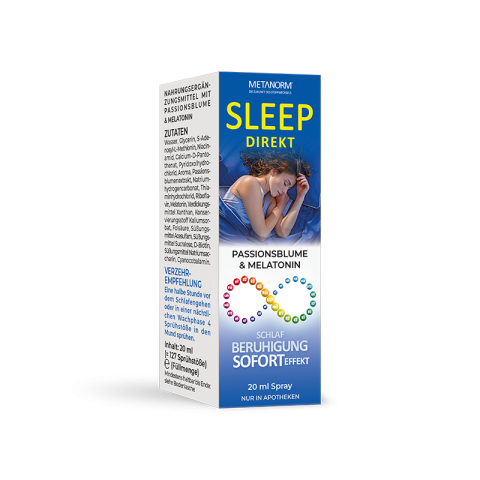
Targeted health improvement through advanced micronutrient supplements: with our products, this is no utopia, but a tried and tested reality.
This might also interest you
All about health