

Natural remedies for hay fever

Allergy medicines block the effects of histamine, which is responsible for allergy symptoms. However, it is also possible to reduce histamine levels using natural active ingredients!
Vitamin C – a natural antihistamine
Histamine is found in the body within what are known as mast cells. Upon contact with an allergen, the mast cell releases histamine, leading to typical allergy symptoms such as itching, swelling and increased secretion. High-dose vitamin C can stabilise the mast cells and thus prevent the release of histamine. This lowers the level of histamine in the blood and alleviates the allergy symptoms. It is characterised by a rapid onset of action, corrects an unfavourable immune response and is free from side effects.
Quercetin – a natural antihistamine
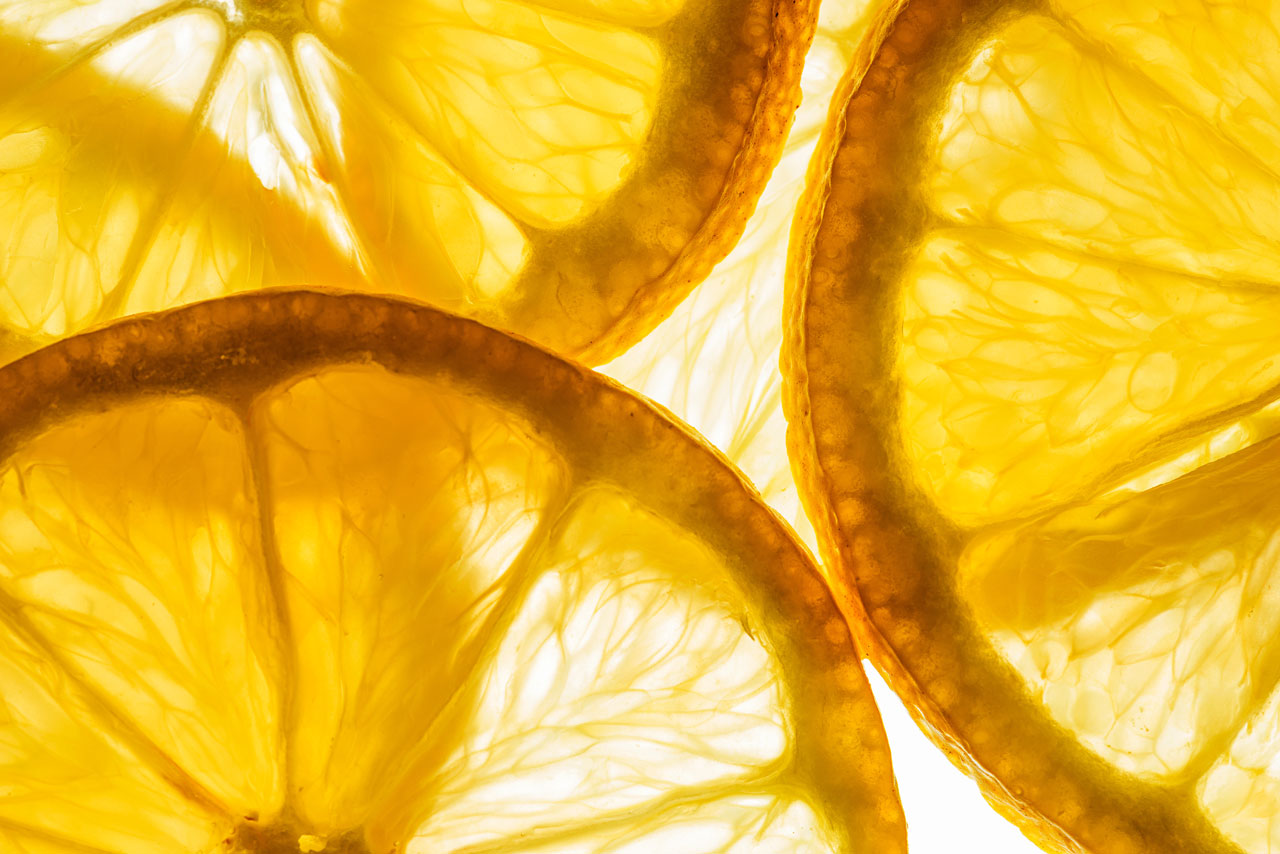
Quercetin is a plant compound that was originally isolated from oak and is characterised by its yellow colour. It is found primarily in the coloured skins of fruit and vegetables such as apples, onions, broccoli, etc. Like vitamin C, quercetin is able to stabilise mast cells and thereby keep histamine levels low. Quercetin thus helps to quickly relieve the typical allergy symptoms associated with hay fever and similar conditions.
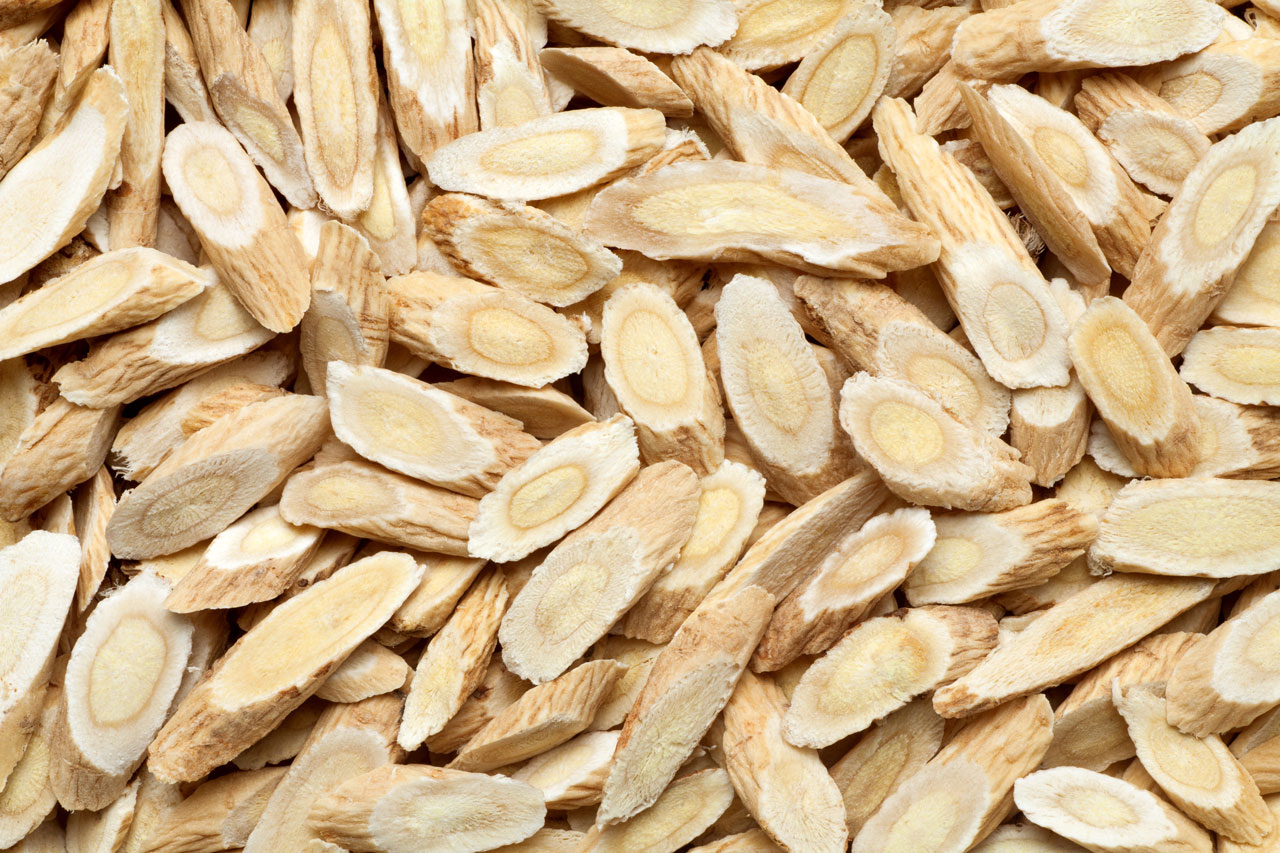
Milk vetch root (Astragalus membranaceus)
Astragalus membranaceus belongs to the Fabaceae family and is one of the most important plants in Traditional Chinese Medicine. It has been used there for thousands of years as a tonic. Astragalus is a true immune booster; its active ingredients have antiviral, antibacterial and antioxidant effects. But it not only strengthens the immune system against bacteria and viruses; it also has a balancing effect. An allergy is always an overreaction of the immune system. The balancing effect of asphodel root tackles the root cause of the allergy. This herbal tonic therefore strengthens the body’s resilience and is recommended for allergic conditions, as well as for many other immune deficiencies and in the fight against cellular ageing.
B vitamins, zinc and others
Niacin (vitamin B3) slows down the release of histamine, whilst vitamin B5 (pantothenic acid) has been shown to reduce allergic symptoms. Vitamin B6 (pyridoxol), when taken together with zinc, can even break down histamine that is already present in the blood. To ensure the body’s oxidative defence system functions optimally, it is particularly important – in addition to the targeted intake of antioxidants – to ensure an adequate intake of vitamins B2, B3 and B6. The latter also plays a key role in amino acid metabolism. Amino acids such as citrulline, arginine and taurine play a key role in the body’s immune status and are primarily responsible for protecting cells and regulating the immune response.
Available without a prescription and with no side effects
If you suffer from an allergy, you have an increased need for essential nutrients, which cannot be met by diet alone. The right nutrients in their natural form, so that they can be utilised optimally by our body’s cells, therefore make an indispensable contribution to the treatment of pollen allergies. If the body is optimally supplied with these vital substances, allergic reactions subside quickly and without side effects – completely over the counter and without the need to see a doctor.

Targeted health improvement through advanced micronutrient supplements: with our products, this is not a utopian dream, but a tried and tested reality.
This might also interest you
All about health